Wednesday, June 8, 2011
Free Response
Yes, I feel like I have learned about many topics in this class. The writing was hard and tough at times, but I feel as if my writing has improved more than it ever has in the past. The outline format really helped me develop a good, solid five paragraph essay. I also learned more about history. I never really learned about the Crusades or the Tudors. I really enjoyed learning about the Renaissance.I also got a more general idea of how history works because we started at the very beginning and worked up to the Renaissance. I learned just as much about history as I did about writing. I also learned more about technology. I never used Twitter before this class! I also learned more about Google Maps and Google Docs. I really appreciate your help in teaching me how to write a decent essay. Thank you!

Renaissance Man
Michelangelo was the "Renaissance Man". He had so many memorable works of art. He was an all-round artist. The Renaissance was time of change and sophistication. This is exactly how Michelangelo painted. The Pieta was a beautiful statue that represents the importance of religion during this time. He also made the famous statue of David. This is a symbol of this time. It is so important and so famous. Everyone recognizes this beautiful work of art. His most amazing work is on the Sistine Chapel. This shows his talent and skill. Without Michelangelo, the Renaissance would not have some of the most influential and famous works of art the world has ever seen.
 http://www.metmuseum.org/toah/images/h2/h2_sistine_chapel.jpg


http://www.metmuseum.org/toah/images/h2/h2_pieta.jpg
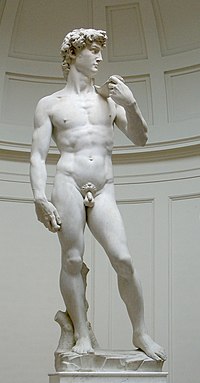
http://upload.wikimedia.org/wikipedia/commons/thumb/d/d5/David_von_Michelangelo.jpg/200px-David_von_Michelangelo.jpg
Romanesque Cathedrals and Gothic Cathedrals
Romanesque Cathedrals


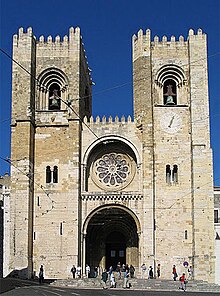
http://upload.wikimedia.org/wikipedia/commons/thumb/5/50/Se_de_Lisboa_Frente.JPG/220px-Se_de_Lisboa_Frente.JPG

http://www.sacred-destinations.com/germany/cologne-st-cecilia-photos/slides/IMG_7393b.JPG

http://upload.wikimedia.org/wikipedia/commons/thumb/d/da/Abaziasanvittorefrasassi.jpg/800px-Abaziasanvittorefrasassi.jpg
Gothic Cathedrals
http://upload.wikimedia.org/wikipedia/commons/thumb/e/e1/Reims_Kathedrale.jpg/250px-Reims_Kathedrale.jpg
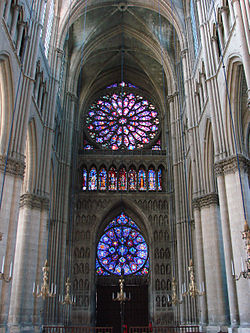
http://upload.wikimedia.org/wikipedia/commons/thumb/a/ad/Cath%C3%A9drale_de_Reims_int%C3%A9rieur.jpg/250px-Cath%C3%A9drale_de_Reims_int%C3%A9rieur.jpg
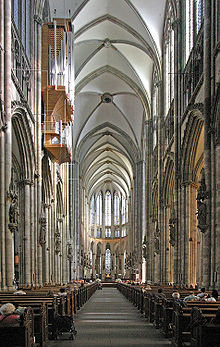
http://upload.wikimedia.org/wikipedia/commons/thumb/7/71/Koelner_Dom_Innenraum.jpg/220px-Koelner_Dom_Innenraum.jpg
These cathedrals had a different way of expressing theology. The Romanesque Cathedrals were more about protection that was shown in the structure of the Cathedral and in the murals on the walls. The Gothic Cathedrals were more about light, which was expressed through stained glass windows. Each type of cathedral displayed a different way of conveying the religious theology. The Romanesque and Gothic Cathedrals articulated a unique method of stating the religious theology through the structure, the windows, or the art.
Black Death
The Black Death started because of the rats carrying disease from the ships. The people of the time believed differently though. They thought God was punishing them. It was God's wrath coming down on the people because of what they did wrong and the people they killed. The Black Death looked gruesome. There were tumors that grew around the armpit and groin. They were usually about the size of an egg, but some grew to be the size of an apple. Black spots would show on the thigh or arm. It was so awful because it spread so easily. People were dying rapidly. The people's minds started to work against them as well. It was very dangerous for the physicians and everyone else.
If a plague, like the Black Death, were to arise in the United States, people would go crazy. There would be uprising and chaos. Hospitals would close and people would hurt each other. The world would seem as if it was coming to an end. When doctors can't figure something out, people start to get worried. A massive wave of death would also scare people. If a similar plague broke out, people would go into a major depression and happiness would drain from the world.
http://www.fordham.edu/halsall/source/boccacio2.html
Richard the Lionheart and Saladin
Saladin Op-Ed
Dear Editor,
As the current leader and person in control of Jerusalem, I would be extremely irresponsible and unjustified to attack and take Jerusalem. I have been in control for a long time. I have power and control. I dare you to even try. I took out the Franks and plan to stay in control. Jerusalem is just as important to me and my people as it it to you and yours.
I, Saladin, believe that Jerusalem should stay in the Muslim control. Maybe we could come to a understanding agreement. You have to understand how much I care for the city and would put my life on the line to defend it. You can try to attack, but my men will be waiting to take you down. If you go on this crusade you are seriously risking you life.
Sincerely,
Saladin
“Is it fair to say the United States is the modern day equivalent of the Roman Empire?
http://www.newseum.org/todaysfrontpages/hr.asp?fpVname=AL_TD&ref_pge=gal&b_pge=1- limits people from voting
http://www.newseum.org/todaysfrontpages/hr.asp?fpVname=AZ_YS&ref_pge=gal&b_pge=1- murder
http://www.newseum.org/todaysfrontpages/hr.asp?fpVname=AL_OAN&ref_pge=gal&b_pge=1- trash, bad qualities
The United States could easily become a modern day Roman Empire. With the quality of the United States and the actions people are taking, it would be quite easy to become a modern day Roman Empire. Three news article are enough information to prove this point. The articles cover topics about the limits on voting, trash and debris build up, and murder. This all can reference back to the Roman Empire. The United States could become a modern Roman Empire because of the extreme examples of bad quality that took place recently.
In an article from Alabama (http://www.newseum.org/todaysfrontpages/hr.asp?fpVname=AL_TD&ref_pge=gal&b_pge=1), there was an official who decided not to let the community vote on a county school chief. The government, including this official would be able to decide but not the actual community. The actual community are the sending the children to school. It seems unfair that they are not allowed to vote. This is similar to the Roman Empire because of the idea of a emperor. The emperor did not give the "community" or the people a vote. The emperor decided everything. He may have had a little help, but he was the overall decision maker.
In the article from Opelika, Alabama (http://www.newseum.org/todaysfrontpages/hr.asp?fpVname=AL_OAN&ref_pge=gal&b_pge=1), the trash rates are increasing. There is more and more waste gathering up in this town of Alabama. In the Roman Empire, trash and waste was not taken care of. Sometimes it was just thrown out a window and into the streets. They eventually came up with a sewer system. The United States has a sewer system, but they still seem to be having a problem. This led to serious sickness and disease. If the United States had more and more trash and less places to put it, then the people could easily become sick.
In the article from Yuma, Arizona (http://www.newseum.org/todaysfrontpages/hr.asp?fpVname=AZ_YS&ref_pge=gal&b_pge=1), a man was charged with killing a baby. This is just one article that relates to a murder. Murder happens many times in the United States. It also happened many time in the Roman Empire, especially between the emperors. The emperors were usually assassinated by the next emperor or they committed suicide. Emperors had other people poisoned and killed just to make life easier. Sometimes the emperors killed people for entertainment. Death and murder were prevalent in the Roman Empire and is currently prevalent in the United States.
It is fair to say the United States could become a modern day Roman Empire. The articles prove that there is unrest. If the United States continues to head in the direction it is going, it could easily become like a Roman Empire. The Roman Empire eventually fell too, the United States government or people could make one mistake and everything could be over. The Roman Empire was an difficult and hard time. The United States is going through a version of a difficult time as well. The United States and the Roman Empire are more similar than people imagine.
Sources
Newseum | Today's Front Pages | Opelika-Auburn News. (n.d.). Newseum | Newseum Home. Retrieved June 8, 2011, from http://www.newseum.org/todaysfrontpages/hr.asp?fpVname=AL_OAN&ref_pge=gal&b_pge=1
Newseum | Today's Front Pages | TimesDaily. (n.d.). Newseum | Newseum Home. Retrieved June 8, 2011, from http://www.newseum.org/todaysfrontpages/hr.asp?fpVname=AL_TD&ref_pge=gal&b_pge=1
Newseum | Today's Front Pages | Yuma Sun. (n.d.). Newseum | Newseum Home. Retrieved June 8, 2011, from http://www.newseum.org/todaysfrontpages/hr.asp?fpVname=AZ_YS&ref_pge=gal&b_pge=1
Herodotus vs. Thucydides
This article (http://dealbook.nytimes.com/2011/06/01/is-ubs-headed-downtown/?ref=sept112001) is written more like Thucydides because of the author's opinion on the matter. It was more opinionated. It was seen through the author's eyes. That is exactly how Thucydides wrote history. The article is about a specific topic and is not general. Thucydides also wrote this way.
Herodotus was much more general, but he did not put down his own opinion. This article (http://www.nytimes.com/2011/05/18/nyregion/conde-nast-publications.html?_r=1&ref=sept112001) is only general information and facts. Herodotus gave more general information when describing situation. He always stuck with the facts. He never gave his opinion and either does this article.
Herodotus was much more general, but he did not put down his own opinion. This article (http://www.nytimes.com/2011/05/18/nyregion/conde-nast-publications.html?_r=1&ref=sept112001) is only general information and facts. Herodotus gave more general information when describing situation. He always stuck with the facts. He never gave his opinion and either does this article.
Egyptians vs. Greeks
The Egyptians and the Greek had different view of the Afterlife. The Egyptians cared deeply for their dead. There was a important process of embalming. There were very religious and ceremonial services to put the dead in a tomb. The Egyptian believed that if their version of a priest recited a prayer then ghost would come and take the body. They would keep it safe from corruption and help it into the Afterlife.
The Greeks believed different ideas. They believed that as soon as the person died, the spirit left the body with a gust of wind. Unlike the Egyptians, the Greeks put very few objects in the grave. They also marked the grave so the person would not be forgotten. People of a higher class would be treated "better" after they died. A monument could have been made as a memory of them.
Source
Period, T. (n.d.). Death, Burial, and the Afterlife in Ancient Greece | Thematic Essay | Heilbrunn Timeline of Art History | The Metropolitan Museum of Art. The Metropolitan Museum of Art, New York: metmuseum.org. Retrieved June 8, 2011, from http://www.metmuseum.org/toah/hd/dbag/hd_dbag.htm
The Versions Of The Book Of The Dead.. (n.d.). Internet Sacred Text Archive Home. Retrieved June 8, 2011, from http://www.sacred-texts.com/egy/ebod/ebod03.htm
Agricultural Revolution
Agricultural Revolution was important to the development of cities. The most change happened during the Neolithic Age. People were staying in one general area to farm and herd animals. Society was changing and becoming more of an group and city rather than a hunter-gather. Cities started to develop because people had to stay in a general area to grow and maintain there food and crops.
Source: http://www.bbc.co.uk/dna/h2g2/A2054675
View Agricultural Revolution in a larger map
Agriculture. Because of society, imagine if we no longer had agriculture. That includes farms, animals, resources. Society collapsed. The human population would slowly but surely fall. Without agriculture, human have no food, no jobs, no money. Human need this delicate source of income. Technology could definitely take agriculture down. One mistake could ruin everything. Humans would no longer have a sense of purpose because without farms we do not have food. We would lose grocery stores, farmers markets, any place were people find food.
Food is not the only thing that come out of agriculture. Humans would lose certain materials for clothes and homes. Jobs would be lost. Trading and selling between countries would not happen. The world would be in complete shambles. Technology could cause the end of this but it could also save it. If someone could come up with the idea
Source
BBC - h2g2 - The Neolithic Revolution . (n.d.). BBC - Homepage. Retrieved June 8, 2011, from http://www.bbc.co.uk/dna/h2g2/A2054675
Friday, May 27, 2011
Monday, May 23, 2011
Worst Medieval Jobs
Out of all of the worst Medieval jobs, I could not be the Barber Surgeon. That would be the absolute worst job ever. I could not use the tools. Being in the twenty first century, it seemed so unsanitary and unsafe. Using the color of the urine to tell whether some one was sick does not seem to be very accurate. I could never insert medicine six inches into someone and then force the medicine into their butt or mouth. I could not perform the amputation or deal with the problems that the people had. I also could not deal with the leeches or the worms. I think I would be sick almost every single day.
I also could not be the Wise Woman. I could not make the worm stew or kill the eel. I get the chills and sick to my stomach even writing about it. I could not prepare the remedies to give to people. I think that the worst part of that job though, is being the patient. Now, I would never even consider using the treatments. During that time period, I would imagine that it made sense to them, but the result could not have been great. I do not think that putting a ring of worms around your neck would heal a sore throat.
These videos had many awful jobs, but the worst were the one that dealt with medicine and treatments. It seemed that it would worst for the patients though. Urine was involved in many jobs. If I spent seven to eight hours every day around it, I would probably get used to it over time. I am just so glad that I live in the twenty first century. Those jobs were horrible.
Friday, May 20, 2011
History of Lindsay's Freshman Year
Lindsay transferred into John Carroll right after Christmas. She was nervous and a little scared, but happy to be starting at a new school. She had played field hockey on a varsity team, which changed the way she played. She participated in the play, How to Succeed in Business Without Really Trying. Lindsay made so many friend through the play. Everyone was so welcoming and helping. She only knew them for two or three months but nows feels like they are part of her family. Lindsay met considerate and caring people through the play. She hopes to continue participating in the plays throughout her John Carroll years. She hung out with her old friends and with new friends. She got a really embarrassing shinguard tan that everyone noticed. Lindsay and her friend started playing a new game in the advisory called Banaograms. The advisory now plays the game in tournament style and cheats a little along the way. The advisory has bonded more than ever before.
Freshman year at John Carroll taught Lindsay many things. She was learned about the school in general and about herself. She had her ups and downs. Some ups have been the play, the classes, and friends. Some downs have been literally falling down the stairs and saying good bye to friends at Roland Park. She has enjoyed her classes and learned so much new information. Lindsay also took a field trip to Washington D.C., which was beyond amazing. She saw scenes of some of William Shakespeare's plays. She enjoyed the hunt to find food in Union Station and the bus ride. Lindsay truly believes that transferring to John Carroll was the best thing that could have happened to her. Freshman year was an exciting year, with exams still to come. This year was a memorable year, from Homecoming to the play. Lindsay is a very different person from last year in eight grade. She is really looking forward to the summer and sophomore year.
Freshman year at John Carroll taught Lindsay many things. She was learned about the school in general and about herself. She had her ups and downs. Some ups have been the play, the classes, and friends. Some downs have been literally falling down the stairs and saying good bye to friends at Roland Park. She has enjoyed her classes and learned so much new information. Lindsay also took a field trip to Washington D.C., which was beyond amazing. She saw scenes of some of William Shakespeare's plays. She enjoyed the hunt to find food in Union Station and the bus ride. Lindsay truly believes that transferring to John Carroll was the best thing that could have happened to her. Freshman year was an exciting year, with exams still to come. This year was a memorable year, from Homecoming to the play. Lindsay is a very different person from last year in eight grade. She is really looking forward to the summer and sophomore year.
Thursday, May 5, 2011
Important People of the Middle Ages Final
Weekly Important People of the Middle Ages
In the Middle Ages, there were many extraordinary events that took place. There were people who accomplished important feats as well. This was a vital time in history. All of these occasions shaped the Middle Ages, but to really understand this time in history, it is vital to know the philosophers and their influences. It is important to understand the philosophers and theologians of the Middle Ages if one is to really understand the culture of this time; St. Augustine of Hippo, St. Thomas Aquinas, and Peter Abelard are excellent examples of the influential people that changed the way of thinking for the rest of the world.
St. Augustine of Hippo was one of the most influential people of all time. He was not born in the Middle Ages, but was important to the later philosophers, such as St. Thomas Aquinas and Peter Abelard. St. Augustine once said, “But as this is not a good which can discharge its devotees of all distresses, this city is often divided against itself by litigations, wars, quarrels, and such victories as are either life-destroying or short-lived.” (Augustine) This quote was from one of his books called City of God. St. Augustine was a very peaceful man and the quote helped prove that point. He had many morals and values that were well respected. He spread Christianity throughout Africa and the West. He eventually was credited for founding Western Christendom. St. Augustine was a leading theologian and philosopher, who sparked a trend that many would later follow.
St. Thomas Aquinas was born much later than St. Augustine, but he was just as important. St. Thomas stated, “If they are contradictory, this is for one or both of these two reasons: either because the agent cause must precede the effect in time, or because non-being must precede the effect in time, for we say that what God creates comes to be out of nothing.” (Thomas Aquinas) This quote represented the way St. Thomas went about thinking and solving problems. St. Thomas was a priest and an excellent teacher. He founded his own theology called Thomism. He wrote books and manuscripts that supported his theories about Ontology, Cosmology, and Psychology. This was a significant change for the people of the Middle Ages. It was a different way of thinking that would last throughout this period in time.
Another philosopher was Peter Abelard. He was influenced by St. Augustine as well. He said, “By doubting we come to examine, and by examining we reach the truth.” (Abelard) This was a new way of thinking for the people of the Middle Ages, because questions were being asked and research was being done. This quote shows how Peter Abelard went about thinking and learning. Abelard was most famous for his affair with his student, Heloise. Peter Abelard influenced an amazing event to happen though. Before the Middle Ages was the concept of Realism. This changed into his idea called Conceptualism. This changed the world completely and helped form the Middle Ages.
These three outstanding thinkers; St. Augustine of Hippo, St. Thomas Aquinas, and Peter Abelard, were the foundation of the culture for the Middle Ages. One would have to understand what these men did and their influence to understand the culture of this time period. They all changed the way of thinking and approaching problems. They were teachers, priests, and logicians. Without these philosophers the Middle Ages would not be what it is today.
Bibliography
Medieval Sourcebook: Augustine of Hippo:Â The City of God, excerpts. (n.d.). FORDHAM.EDU. Retrieved May 3, 2011, from http://www.fordham.edu/halsall/source/aug-city2.html
Medieval Sourcebook: Peter Abelard: From Sic et Non, 1120. (n.d.). FORDHAM.EDU. Retrieved May 3, 2011, from http://www.fordham.edu/halsall/source/1120abelard.html
Untitled. (n.d.). FORDHAM.EDU. Retrieved May 3, 2011, from http://www.fordham.edu/halsall/basis/aquinas-eternity.html
Tuesday, May 3, 2011
Important People of the Middle Ages Rough Draft
Why is it so important to understand _ [i.e. the topic of your expert group] if one is to really understand the culture of the Middle Ages?
In the Middle Ages, there were many extraordinary events that took place. There were people that accomplished important feats as well. All of these occasions shape the Middle Ages, but to really understand this time in history, it is vital to know the philosophers and their influences. It is important to understand the philosophers and theologians of the Middle Ages if one is to really understand the culture of this time; St. Augustine of Hippo, St. Thomas Aquinas, and Peter Abelard are excellent examples of the influential people that changed the way of thinking for the rest of the world. The philosophers have nothing to do with understanding the culture of the Middle Ages.
St. Augustine of Hippo was one of the most influential people of all time. He was not born in the Middle Ages, but was important to the later philosophers, such as St. Thomas Aquinas and Peter Abelard. St. Augustine once said, “But as this is not a good which can discharge its devotees of all distresses, this city is often divided against itself by litigations, wars, quarrels, and such victories as are either life-destroying or short-lived.” (Augustine) This quote is from one of his books called City of God. St. Augustine was a very peaceful man. He had many morals and values that were well respected. He spread Christianity throughout Africa and the West. He eventually was credited for founding Western Christendom. St. Augustine was a leading theologian and philosopher, who sparked a trend that many would later follow.
St. Thomas Aquinas was born much later than St. Augustine, but he was just as important. St. Thomas stated, “If they are contradictory, this is for one or both of these two reasons: either because the agent cause must precede the effect in time, or because non-being must precede the effect in time, for we say that what God creates comes to be out of nothing.” (Thomas Aquinas) St. Thomas was a priest and an excellent teacher. He founded his own theology called Thomism. He wrote books and manuscripts that supported his theories about Ontology, Cosmology, and Psychology. This was a significant change for the people of the Middle Ages. It was a different way of thinking that would last throughout this period in time.
Another philosopher was Peter Abelard. He was influenced by St. Augustine as well. He said, “By doubting we come to examine, and by examining we reach the truth.” (Abelard) This was a new way of thinking for the people of the Middle Ages, because questions were being asked and research was being done. Abelard is most famous for his affair with his student, Heloise. Peter Abelard influenced an amazing event to happen though. Before the Middle Ages was the concept of Realism. This changed into his idea called Conceptualism. This changed the world completely and helped form the Middle Ages.
These three outstanding thinkers; St. Augustine of Hippo, St. Thomas Aquinas, and Peter Abelard, were the foundation of the culture for the Middle Ages. One would have to understand what these men did and their influence to understand the culture of this time period. They all changed the way of thinking and approaching problems. They were teachers, priests, and logicians. Without these philosophers the Middle Ages would not be what it is today.
Bibliography
Medieval Sourcebook: Augustine of Hippo:Â The City of God, excerpts. (n.d.). FORDHAM.EDU. Retrieved May 3, 2011, from http://www.fordham.edu/halsall/source/aug-city2.html
Medieval Sourcebook: Peter Abelard: From Sic et Non, 1120. (n.d.). FORDHAM.EDU. Retrieved May 3, 2011, from http://www.fordham.edu/halsall/source/1120abelard.html
Untitled. (n.d.). FORDHAM.EDU. Retrieved May 3, 2011, from http://www.fordham.edu/halsall/basis/aquinas-eternity.html
Friday, April 29, 2011
Romanesque Cathedrals and Gothic Cathedrals Final
Romanesque and Gothic Cathedrals were very different, especially in the way the religious theology was depicted. The Romanesque style was during the ninth, tenth, and eleventh centuries. It was a time when barbarians were attacking and there was a need for protection. However, the Gothic style was prevalent during the twelfth, thirteenth, and fourteenth centuries. Everyone was settling down and the idea of feudalism came into play. There were significant differences between these two time periods. Romanesque and Gothic Cathedrals expressed different understandings about religious theology; Romanesque Cathedrals had images of Judgment Day and were made for protection, whereas Gothic Cathedrals had larger windows with stain glass images which allowed God’s light to shine through.
The first, most obvious, difference among the Romanesque and Gothic Cathedrals is the structure of the building. The Romanesque Cathedral (Figure 1) compared to the Gothic Cathedral (Figure 2) look undeniably different. The Romanesque Cathedral is very bulky. It was built for protection. During this time, the churches and cathedrals were the most important buildings in the town or village. If there was an attack, the safest place to go was the closest church. The Romanesque Cathedrals showed how important they were, religiously, to the people. The Gothic Cathedrals were also very important to the people. Since there were not as many barbarian threats, the Cathedrals were not used for protection. They were more of a place of worship; to tell stories and express religious art. As seen in the picture, these Cathedrals had enormous stained glass windows that depicted the religious theology. The windows were a major difference between the two styles of Cathedrals.
The windows in a Romanesque Cathedral (Figure 3) look much smaller than the Gothic Cathedral’s windows (Figure 4). Size is not the only difference though. The meaning and importance of the windows is unique. In the Romanesque Cathedral the windows are small and limited because during an attack a large window would be a disadvantage. They could be easily broken and then entered. The Gothic Cathedral had many large windows. The main window in the front was called a rosette. The windows were the most important way to express theology in a Gothic Cathedral. These windows were very detailed. The windows also let in light. Light was very important in this time period. The stained glass windows gave the idea the God’s light was shining through, which was the basis of the religious theology.
The most important difference was the art inside the cathedrals. The Romanesque Cathedrals depicted art in murals (Figure 5) while Gothic Cathedrals depicted art through the windows (Figure 6). The art in the cathedrals were religious. In the Romanesque Cathedral the murals were especially about Judgment Day and being ready. The art was hung on the walls for everyone to see. The Gothic Cathedral’s art was in the stained glass windows. They showed biblical stories and events. The light coming through the windows was just as important. These types of art both displayed religious theology, but in a unique way.
These cathedrals had a different way of expressing theology. The Romanesque Cathedrals were more about protection that was shown in the structure of the Cathedral and in the murals on the walls. The Gothic Cathedrals were more about light, which was expressed through stained glass windows. Each type of cathedral displayed a different way of conveying the religious theology. The Romanesque and Gothic Cathedrals articulated a unique method of stating the religious theology through the structure, the windows, or the art.
Appendix
Figure 1- Abazia di San Vittore
Figure 2- Cathedral of Reims

Figure 3- Tournus

Figure 4- Regensburg Cathedral

Figure 5- St. Cecilia Cathedral
Figure 6- Chartres Cathedral

Bibliography
Abazia di San Vittore, exterior, 11th century, http://en.wikipedia.org/wiki/File:Abaziasan vittorefrasassi.jpg, photograph taken in 2006.

Cathedral of Reims, façade, 13th century, http://en.wikipedia.org/wiki/File:Reims _Kathedrale.jpg, photograph taken in 2007.

Chartres Cathedral, interior, 12th century, http://www.sacred-destinations.com/france/chartres-cathedral-window-photos/w14_8276.JPG, photograph taken in 2008.

Regensburg Cathedral, interior, 12th century, http://en.wikipedia.org/wiki/File:Regensburger _Dom_1.jpg, photograph taken in 2007.

St. Cecilia Cathedral, interior, 14th century, http://www.sacred-destinations.com/germany/ cologne-st-cecilia-photos/IMG_7393b.JPG, photograph taken in 2007.

Tournus, interior, 11th century, http://en.wikipedia.org/wiki/File:Tournus_43_.jpg, photograph taken in 2008.

Wednesday, April 27, 2011
Romanesque Cathedrals and Gothic Cathedrals Rough Draft
Romanesque and Gothic Cathedrals were very different, especially in the way the religious theology was depicted. The Romanesque style was during the ninth, tenth, and eleventh centuries. It was a time when barbarians were attacking and there was a need for protection. However, the Gothic style was prevalent during the twelfth, thirteenth, and fourteenth centuries. Everyone was settling down and the idea of feudalism came into play. There were significant differences between these two time periods. Romanesque and Gothic Cathedrals expressed different understandings about religious theology; Romanesque Cathedrals had images of Judgment Day and were made for protection, whereas Gothic Cathedrals had larger windows with stain glass images which allowed God’s light to shine through. The architecture in the cathedrals does not mean or show anything about the religious theology.
The first, most obvious, difference among the Romanesque and Gothic Cathedrals is the structure of the building. The Romanesque Cathedral (Figure 1) compared to the Gothic Cathedral (Figure 2) look undeniably different. The Romanesque Cathedral is very bulky. It was built for protection. During this time, the churches and cathedrals were the most important buildings in the town or village. If there was an attack, the safest place to go was the closest church. The Romanesque Cathedrals showed how important they were, religiously, to the people. The Gothic Cathedrals were also very important to the people. Since there were not as many barbarian threats, the Cathedrals were not used for protection. They were more of a place of worship; to tell stories and express religious art. As seen in the picture, these Cathedrals had enormous stained glass windows that depicted the religious theology. The windows were a major difference between the two styles of Cathedrals.
The windows in a Romanesque Cathedral (Figure 3) look much smaller than the Gothic Cathedral’s windows (Figure 4). Size is not the only difference though. The meaning and importance of the windows is unique. In the Romanesque Cathedral the windows are small and limited because during an attack a large window would be a disadvantage. They could be easily broken and then entered. The Gothic Cathedral had many large windows. The main window in the front was called a rosette. The windows were the most important way to express theology in a Gothic Cathedral. These windows were very detailed. The windows also let in light. Light was very important in this time period. The stained glass windows gave the idea the God’s light was shining through, which was the basis of the religious theology.
The most important difference was the art inside the cathedrals. The Romanesque Cathedrals depicted art in murals (Figure 5) while Gothic Cathedrals depicted art through the windows (Figure 6). The art in the cathedrals were religious. In the Romanesque Cathedral the murals were especially about Judgment Day and being ready. The art was hung on the walls for everyone to see. The Gothic Cathedral’s art was in the stained glass windows. They showed biblical stories and events. The light coming through the windows was just as important. These types of art both displayed religious theology, but in a unique way.
These cathedrals had a different way of expressing theology. The Romanesque Cathedrals were more about protection that was shown in the structure of the Cathedral and in the murals on the walls. The Gothic Cathedrals were more about light, which was expressed through stained glass windows. Each type of cathedral displayed a different way of conveying the religious theology. The Romanesque and Gothic Cathedrals articulated a unique method of stating the religious theology through the structure, the windows, or the art.
Appendix
Figure 1- Abazia di San Vittore
Figure 2- Cathedral of Reims
Figure 3- Tournus
Figure 4- Regensburg Cathedral
Figure 5- St. Cecilia Cathedral
Figure 6- Chartres Cathedral

Bibliography
Abazia di San Vittore, exterior, 11th century, http://en.wikipedia.org/wiki/File:Abaziasan vittorefrasassi.jpg, photograph taken in 2006.
Cathedral of Reims, façade, 13th century, http://en.wikipedia.org/wiki/File:Reims _Kathedrale.jpg, photograph taken in 2007.
Chartres Cathedral, interior, 12th century, http://www.sacred-destinations.com/france/chartres-cathedral-window-photos/w14_8276.JPG, photograph taken in 2008.
Regensburg Cathedral, interior, 12th century, http://en.wikipedia.org/wiki/File:Regensburger _Dom_1.jpg, photograph taken in 2007.
St. Cecilia Cathedral, interior, 14th century, http://www.sacred-destinations.com/germany/ cologne-st-cecilia-photos/IMG_7393b.JPG, photograph taken in 2007.
Tournus, interior, 11th century, http://en.wikipedia.org/wiki/File:Tournus_43_.jpg, photograph taken in 2008.
Thursday, April 14, 2011
Weekly Final
The Roman Empire was one of the greatest civilizations in history. The Roman Empire went through many momentous changes. The empire did not fall however. The primary source of Edward Gibbon and the paper by Toynbee gave examples of the changes of the empire. The Roman Empire evolved into something new; the new weapons, Christianity, and the arts were great examples of this evolution.
The weapons that the Roman Empire had were incredibly important to its evolution. It was said, “The military art has been changed by the invention of gunpowder; which enables man to command the two most powerful agents of nature, air and fire. Mathematics, chymistry, mechanics, architecture, have been applied to the service of war; and the adverse parties oppose to each other the most elaborate modes of attack and of defence.” (Gibbon) The Romans had come up with their most lethal weapon: gunpowder. They could easily take down their enemies if they had the right leader in command. They were also learning more and more about the science of military, so they would have more evolved weapons. Their enemies would be taken by surprise if they had to encounter an unknown, new weapon. The Romans also had to come up with a better plan for self-defense, which they did. The Romans did find and use new weapons, which was a huge advantage.
The Roman Empire was changing their artilleries and military tactics, and they were also changing their culture and arts. Gibbon stated, “The benefits of law and policy, of trade and manufactures, of arts and sciences, are more solid and permanent; and many individuals may be qualified, by education and discipline, to promote, in their respective stations, the interest of the community.” (Gibbon) The people were being educating and learning more than they ever had in the past. They were also learning things like law, trade, arts, and sciences so they could benefit their community. The people were making such an impact on the empire. Together, all the people were helping their empire evolve and change. Without this knowledge the Roman Empire would not have lasted.
The most important change the Roman Empire faced was the tolerance of Christianity. Some said that Christianity ‘killed’ the Roman Empire, but other disagreed and said, “Christianity is a transitional thing which bridges the gap between one civilization and another…” (Toynbee) Christianity was a huge step for the empire. It definitely changed it though. This quotation explained how Christianity was filling the gap of empty space that the Roman Empire had made for itself. Christianity helped the Empire become more accomplished. It helped take the final step into becoming the new Byzantine Empire.
The Roman Empire did not fall; it went through many significant changes. The people found new ways of defense and weapons. They became more knowledgeable, especially in the arts and sciences. The Empire also learned to accept Christianity, which would influence everyone in and around the Empire for a long time. The Roman Empire did evolve into something new; it became the great and amazing Byzantine Empire, which would rule for a very long time.
Sources:
Gibbon, E. (n.d.). Medieval Sourcebook: Gibbon: The Fall of the Roman Empire . FORDHAM.EDU. Retrieved April 12, 2011, from http://www.fordham.edu/halsall/source/gibbon-fall.html
Toynbee, A. (n.d.). Arnold Toynbee - Christianity and Civilization. Welcome to MYRIOBIBLOS - The Etext Library of the Church of Greece. Retrieved April 12, 2011, from http://www.myriobiblos.gr/texts/english/toynbee.html
Tuesday, April 12, 2011
Weekly Rough Draft
The Roman Empire went through many momentous changes. The empire did not fall though. The primary source of Edward Gibbon and the paper by Toynbee gave examples of the changes of the empire. The Roman Empire evolved into something new; the new weapons, Christianity, and the arts were great examples of this evolution. The Roman Empire did not evolve into something new; it declined and fell because of the military and the problems with their enemies, especially the Barbarians.
The weapons that the Roman Empire had were incredibly important to its evolution. It was said, “The military art has been changed by the invention of gunpowder; which enables man to command the two most powerful agents of nature, air and fire. Mathematics, chymistry, mechanics, architecture, have been applied to the service of war; and the adverse parties oppose to each other the most elaborate modes of attack and of defence.” (Gibbon) The Romans had come up with their most lethal weapon: gunpowder. They could easily take down their enemies if they had the right leader in command. They were also learning more and more about the science of military, so they would have more evolved weapons. There enemies would be taken by surprise if they had to encounter an unknown, new weapon. The Romans also had to come up with a better plan for self-defense, which they did. The Romans did find and use new weapons, which was a huge advantage.
The Roman Empire was changing their artilleries and military tactics, and they were also changing their culture and arts. Gibbon stated, “The benefits of law and policy, of trade and manufactures, of arts and sciences, are more solid and permanent; and many individuals may be qualified, by education and discipline, to promote, in their respective stations, the interest of the community.” (Gibbon) The people were being educating and learning more than they ever had in the past. They were also learning things like law, trade, arts, and sciences so they could benefit their community. The people were making such an impact on the empire. Together, all the people were helping their empire evolve and change. Without this knowledge the Roman Empire would not have lasted.
The most important change the Roman Empire faced was the tolerance of Christianity. Some said that Christianity ‘killed’ the Roman Empire, but other disagreed and said, “Christianity is a transitional thing which bridges the gap between one civilization and another…” (Toynbee) Christianity was a huge step for the empire. It definitely changed it though. This quotation explained how Christianity was filling the gap of empty space that the Roman Empire had made for itself. Christianity helped the Empire become more accomplished. Christianity helped take the final step into becoming the new Byzantine Empire.
The Roman Empire did not fall; it went through many significant changes. The people found new ways of defense and weapons. They became more knowledgeable, especially in the arts and sciences. The Empire also learned to accept Christianity, which would influence everyone in and around the Empire for a long time. The Roman Empire did evolve into something new; it became the great and amazing Byzantine Empire, which would rule for a very long time.
Sources:
Gibbon, E. (n.d.). Medieval Sourcebook: Gibbon: The Fall of the Roman Empire . FORDHAM.EDU. Retrieved April 12, 2011, from http://www.fordham.edu/halsall/source/gibbon-fall.html
Toynbee, A. (n.d.). Arnold Toynbee - Christianity and Civilization. Welcome to MYRIOBIBLOS - The Etext Library of the Church of Greece. Retrieved April 12, 2011, from http://www.myriobiblos.gr/texts/english/toynbee.html
Thursday, April 7, 2011
Final Stoicism Essay
In Tacitus’ description of the Death of Seneca, the author described details of the emperor’s life, but he also wrote about the examples of stoicism. Stoicism is the ability to endure pain and hardship while retaining the ability to control one’s emotions; Seneca, at his death, was a perfect example of a stoic.
Tacitus described Seneca’s stoicism by giving examples. He talked about how Seneca appeared in public and how he talked and approached people. He stated, “…he saw no signs of fear, and perceived no sadness in his words or in his looks.” (Tacitus). This quotation is basically the definition of stoicism. Seneca did not show fear and he never looked sad when he was talking or writing. Seneca was a strong man who did not vocalize his emotions.
The Death of Seneca continued with more descriptions of the emperor, which gave the reader more examples of stoicism. Tacitus wrote, “He had no reason," he said, “for preferring the interest of any private citizen to his own safety, and he had no natural aptitude for flattery…” (Tacitus). This described Seneca’s control of his emotions and feelings. He did not have to concern himself with any common citizen. He also did not have to give compliments or gratitude. Tacitus continued about Seneca and how he dealt with his almost unlimited wealth and power. He said, “So he had directed in a codicil of his will, when even in the height of his wealth and power he was thinking of his life's close.” (Tacitus). When Seneca was on the brink of death, he did not care about his money or power. In reality, he was thinking about the end of his life. Being able to control these feelings was what made Seneca a stoic.
Tacitus then went on to explain more about Seneca’s death. He described that the pain he put on himself, “…allowed the blood to escape but slowly, severed also the veins of his legs and knees.” (Tacitus) He was slowly bleeding to death without screaming, gasping, or showing pain. He did not show any emotion. Seneca was very stoic, especially during his death. Tacitus also stated, “Worn out by cruel anguish, afraid too that his sufferings might break his wife's spirit, and that, as he looked on her tortures, he might himself sink into irresolution, he persuaded her to retire into another chamber.” (Tacitus) This shows how Seneca hid his pain from his wife. He did not want to hurt her spirit. Seneca was a stoic because of these examples. He was not concerned with his power; he kept those emotions and values hidden. He was thinking of one important thing: his life.
In Tacitus’ Death of Seneca, he described the emperor in detail. These descriptions explained how Seneca was a stoic. He wrote about how Seneca controlled his emotions and feelings around common people. He also described how he dealt with his own wealth and power. Tacitus finally describes how Seneca was only concerned with his death and nothing else. He demonstrated stoicism, especially toward the end of his life.
Halsall, P. (1998). Ancient History Sourcebook: Tacitus: The Death of Seneca. FORDHAM.EDU. Retrieved April 5, 2011, from http://www.fordham.edu/halsall/ancient/tacitus-ann15a.html
Wednesday, April 6, 2011
Daily 34
In Edward Gibbon’s observations about the End of the Roman Empire, he describes the people, the places, and the things the Empire had or was losing. He talks about the “virtues and vices” of the Empire. He explains how the fall of the Roman Empire was going to happen eventually anyway because of the wars, the strangers, the people who did not have freedom, and the people who did not want to follow the emperors. He goes on to talk about the changing of the capital to Constantinople and about the emperor, Constantine. He talks about how Christianity was one of the causes of the fall of the empire because it brought the military down; it discouraged the common people, and cost money because of all the charities. He also mentions the enemies the Romans had to deal with, like the Huns and the Barbarians. Gibbon does talk about the positive sides of the empire though. He mentions the important new weapons, military tactics, and trading goods and resources.
In Tonybee’s observations about the End of the Roman Empire, he talks about religion more than anything, especially towards the end of his essay. He also mentions war and the downfall of it. He talks mainly about the connection between Christianity and civilization. He continues on to say how he does not agree with what Gibbon and a man named Frazer had to say. Tonybee does not agree that Christianity was the cause of the downfall, but that it was a consequence of it. Gibbon’s writing was more about the end of the empire. He gave examples, but he was dark about it. Tonybee’s writing is more recent and more opinionated. He talks about religion more than Gibbon did, but he proves his point that Christianity was not the cause of the fall of the empire.
Tuesday, April 5, 2011
In Class Writing Final
In Tacitus’ description of the Death of Seneca, the author described details of the emperor’s life. In his description, he talks about his stoic nature. Stoicism is the ability to endure pain and hardship while retaining the ability to control one’s emotions; Seneca, at his death, was a perfect example of a stoic.
Tacitus described the stoicism in Seneca by giving examples. He talked about how Seneca appeared in public and how he talked and approached people. He stated, “…he saw no signs of fear, and perceived no sadness in his words or in his looks.” (Tacitus, 65 C.E.). This quotation is basically the definition of stoicism. Seneca did not show fear and he never looked sad when he was talking or writing. Tacitus also wrote, “Seneca, quite unmoved, asked for tablets on which to inscribe his will…” (Tacitus, 65 C.E.). The men were threatening to kill him, but he was “unmoved.” He did not show any sign of fear or angst toward the men or the situation. Seneca was a strong man who did not vocalize his emotions.
The Death of Seneca continued with more description of the emperor, which gave the reader more examples of stoicism. Tacitus wrote, “He had no reason," he said, “for preferring the interest of any private citizen to his own safety, and he had no natural aptitude for flattery…” (Tacitus, 65 C.E.). This described Seneca’s control of his emotions and feelings. He did not have to concern himself with any common citizen. He also did not have to give compliments or gratitude. Tacitus continued about Seneca and how he dealt with this almost unlimited wealth and power. He said, “So he had directed in a codicil of his will, when even in the height of his wealth and power he was thinking of his life's close.” (Tacitus, 65 C.E.). When Seneca was on the brink of death, he did not care about how much money or power he had control of, in reality, he was thinking about the end of his life. Being able to control these feelings was what made Seneca a stoic.
Tacitus then went on to explain more about Seneca’s death. He described the pain he put on himself, “…allowed the blood to escape but slowly, severed also the veins of his legs and knees.” (Tacitus, 65 C.E.) He was slowly bleeding to death without screaming, gasping, or showing pain. He did not show any emotion. Seneca was very stoic, especially during his death. Tacitus also stated, “Worn out by cruel anguish, afraid too that his sufferings might break his wife's spirit, and that, as he looked on her tortures, he might himself sink into irresolution, he persuaded her to retire into another chamber.” (Tacitus, 65 C.E.) This shows how Seneca hid how much pain he was in from his wife so that he would not hurt her spirit. Seneca was a stoic because of these examples. He was not concerned with his power; he kept those emotions and values hidden. He was thinking of one important thing: his life.
In Tacitus’ Death of Seneca, he described the emperor. These descriptions explained how Seneca was a stoic. He wrote about how Seneca controlled his emotions and feelings around common people. He also described how he dealt with his own wealth and power. Tacitus finally describes how Seneca was only concerned with his death and nothing else. Seneca, the emperor, was a stoic and he demonstrated it, especially towards his death.
Halsall, P. (1998). Ancient History Sourcebook: Tacitus: The Death of Seneca. FORDHAM.EDU. Retrieved April 5, 2011, from http://www.fordham.edu/halsall/ancient/tacitus-ann15a.html
Subscribe to:
Posts (Atom)